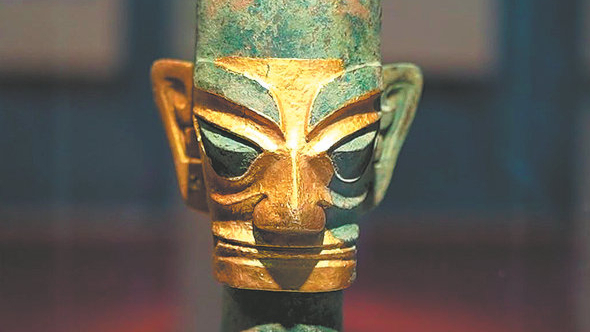
Sanxingdui Site in Guanghan, Sichuan
Introduction
The Sanxingdui Site, located in Guanghan, Sichuan province, is considered one of the most significant archaeological discoveries in China. The site, covering an area of approximately 120,000 square meters, was the capital of the ancient Shu Kingdom, which existed over 4,000 years ago. It showcases a unique Bronze Age civilization with distinct cultural characteristics, differing from the Central Plains culture traditionally associated with early Chinese history.
The Sanxingdui Ruins first came to public attention in 1929, but it wasn't until the 1980s that large-scale excavations revealed its historical and cultural significance. The site contains numerous sacrificial pits, from which a wide variety of artifacts, including bronzeware, gold, jade and pottery, have been unearthed, highlighting the advanced craftsmanship and religious practices of the Shu people.
Discovery and Excavation
The Sanxingdui site was initially discovered in 1929 when a local farmer stumbled upon a cache of jade artifacts. Large-scale excavation of the Sanxingdui site began in 1986, leading to the discovery of two sacrificial pits filled with a wealth of artifacts. This excavation drew international attention to the site, highlighting its importance in understanding the diversity of ancient Chinese civilization.
A renewed focus on the site began in 2019 with an interdisciplinary project aimed at uncovering more about the ancient Shu civilization. This led to the discovery of six additional pits between 2019 and 2020, which contain more than 500 artifacts, including gold masks, bronzes with unknown shapes, and jade pieces.
The Sanxingdui site in Guanghan is considered to be an eye-catching archaeological program in 2021, as thousands of cultural relics were excavated from the site's six newly found pits. Believed to have been used for sacrificial ceremonies, these items unveiled how a highly developed regional civilization used bronze in ritual worship. The discovery was one of "China's Top 10 New Archaeological Discoveries of 2021".
Historical Significance
Cultural Context
The Sanxingdui civilization provides critical insights into the cultural diversity of ancient China. Unlike the well-documented Central Plains culture, Sanxingdui exhibits a distinct tradition, characterized by its unique artifacts and religious practices. The discovery of the site has challenged the traditional narrative of Chinese civilization's origins, suggesting that the upper reaches of the Yangtze River were also a cradle of early Chinese culture. Sanxingdui's artifacts, such as bronze masks with exaggerated features and intricate jade carvings, reflect a complex belief system possibly centered around shamanism and divine worship.
Influence on Chinese History
The artifacts and findings at Sanxingdui have reshaped the understanding of Chinese history, emphasizing the role of regional cultures in the formation of Chinese civilization. The Shu Kingdom, of which Sanxingdui was the capital, played a crucial role in the development of Bronze Age China. The site indicates that there was significant cultural exchange and interaction between Sanxingdui and other contemporary cultures, such as the Shang Dynasty (c. 16th century-11th century BC). This interaction is evidenced by the presence of similar bronzeware styles and jade artifacts typical of other regions, highlighting the interconnectedness of ancient Chinese societies.
Artifacts
Bronze Works
Sanxingdui is renowned for its extraordinary bronze artifacts, many of which defy previous historical understanding due to their unique forms and sizes. Among the most iconic finds are large bronze masks with exaggerated facial features, such as protruding eyes, which suggest they may have represented deities or supernatural beings in Shu religious practices. The site also yielded bronze trees, believed to symbolize a ladder to heaven or a connection between the earthly and divine realms. These bronze works are characterized by their advanced craftsmanship and artistic creativity, demonstrating the technological prowess of the Shu civilization.
The largest bronze mask, measuring 1.31 meters wide, 71 cm high, and 66 cm deep, is a testament to the extraordinary craftsmanship of the time. Weighing approximately 65 kilograms, this mask is not only the largest but also the best-preserved bronze artifact from the site. These bronze works are believed to have played significant roles in ceremonial and ritualistic practices.
Jade and Gold Artifacts
Jade artifacts from Sanxingdui are equally significant, with many pieces displaying intricate carvings and motifs that reflect the cultural and religious symbolism of the Shu people. One notable find is the jade cong, a ritual object associated with other ancient Chinese cultures, indicating cultural exchange and influence. The site has also produced numerous gold artifacts, including masks and decorative pieces like bird-shaped ornaments, which suggest a society with a well-developed hierarchy and a rich ceremonial life. The use of gold in such artifacts underscores the spiritual and social value placed on these objects.
Pottery and Stone Tools
In addition to metal and jade artifacts, Sanxingdui has provided a wealth of pottery and stone tools, which offer insights into the daily life and technological developments of the ancient Shu. The pottery is often richly decorated and varies in form, suggesting its use in both domestic and ceremonial contexts. Stone tools found at the site include axes, knives and chisels, indicating the Shu people's proficiency in crafting tools for both practical and artistic purposes. Together, these artifacts paint a picture of a sophisticated society with diverse cultural practices.
Site Layout and Architecture
Sacrificial Pits
The Sanxingdui site is most renowned for its sacrificial pits, which have provided an abundance of artifacts that highlight the religious and ceremonial practices of the Shu civilization. These pits appear to have been used for religious sacrifices, as indicated by the smashed and burned condition of many artifacts found within them. The arrangement of items within the pits, such as the placement of large bronze items above smaller ones and the use of ivory as a covering, suggests a highly ritualized process. The discovery of these pits has been crucial in understanding the spiritual life of the Shu people and their interactions with the divine.
Residential Areas
While the sacrificial pits are a focal point of the Sanxingdui site, ongoing excavations have also uncovered evidence of residential areas, providing insights into the everyday life of the Shu civilization. Architectural remains, including foundations and walls, suggest a well-organized settlement with distinct living quarters. These findings indicate that Sanxingdui was a thriving urban center with a complex social structure. The discovery of these residential areas helps to paint a fuller picture of the ancient Shu's way of life, complementing the ritual and ceremonial aspects highlighted by the sacrificial pits.
Preservation and Conservation
Efforts to preserve and conserve the Sanxingdui site and its artifacts have been ongoing since the initial discoveries. Advanced technologies and meticulous conservation techniques have been employed to ensure the careful preservation of fragile items, such as ivory and silk. The use of high-tech equipment in the excavation process has allowed for more precise documentation and analysis, contributing to a deeper understanding of the site's historical context. Conservationists continue to work on restoring and maintaining the artifacts, with the aim of making them accessible for future research and public display.
Tourism and Cultural Promotion
The Sanxingdui Museum plays a crucial role in promoting the cultural heritage of the Sanxingdui site. The museum offers an immersive experience for visitors, showcasing a wide array of artifacts, including pottery, bronze, jade and gold items, in a modern exhibition space. The application of cutting-edge technologies, such as glasses-free 3D displays, allows visitors to engage with the archaeological findings in innovative ways. Sanxingdui's increasing popularity as a tourist destination highlights the growing public interest in the ancient Shu civilization. The site's significance is further underscored by its contribution to the understanding of China's diverse cultural origins and its influence on modern archaeology and historical studies.








